


South Sound Experimental Film Fest X Northwest Film Forum (seattle)
November 23rd, 2024
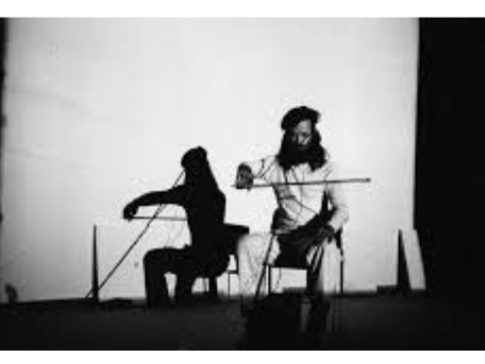
Tony Conrad: Completely in the Present
Directed by Tyler Hubby, US, 2016, 96 min, in English
accompanied by THE FLICKER (1966) by Tony Conrad with live score by Ceremonial Abyss


Film-Makers Include:
Shorts Block A
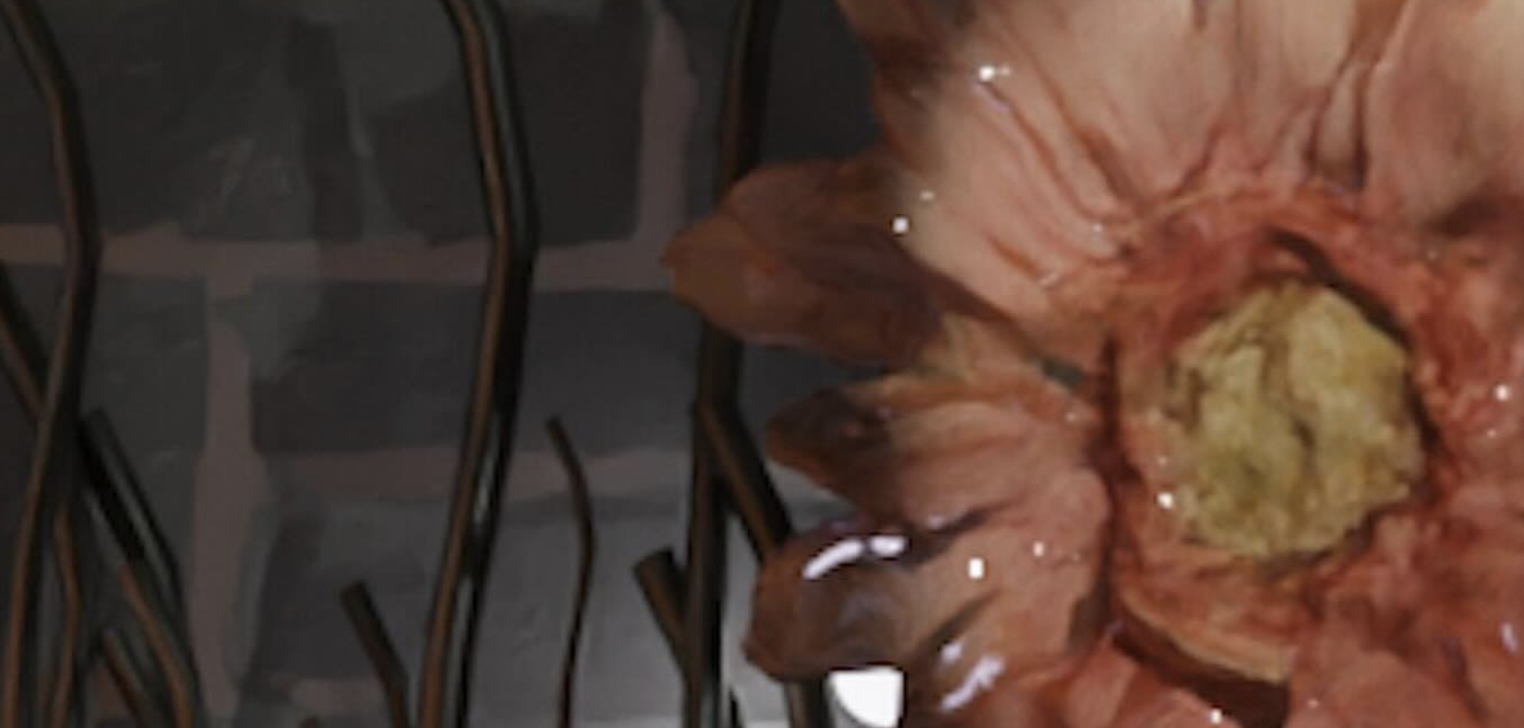
eulogy/elegy by Lily King (Portland, OR)
eulogy, elegy is intended to be understood as a private conversation between myself and the viewer. During the course of our conversation I relate stories about the loss of my mom, about finding trans-identity and about the ways that our actions make lasting meaning for the people they touch.
Melencolia 1: The End of the Alphabet by M Woods (Chicago, IL)
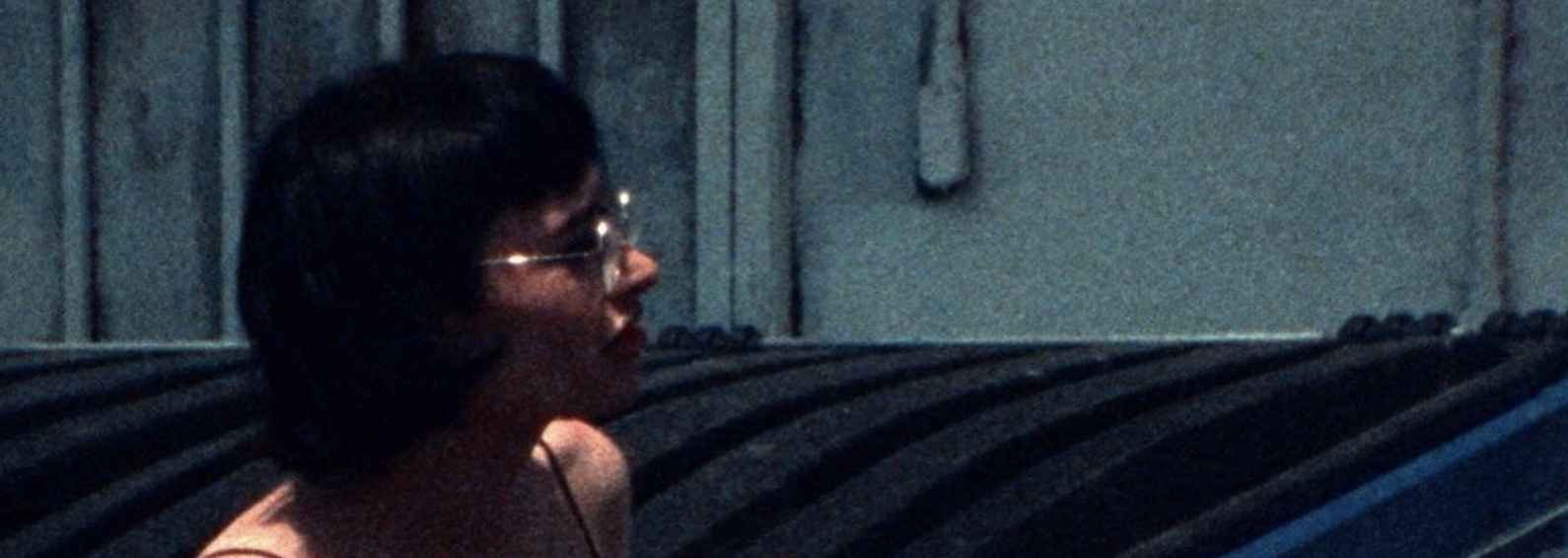
A sadness rolls over me as I gaze into the entrails of this pandora’s box and my shadow cranks a lost appendage for the sake of ontological tangents and bewitched spaces. I want you to witness The Hallucinatory Zone of Neo-Liberal death hounds and lost gazes that expand and contract time. I was nothing, so nothing was lost. The material of the film that coats the cortex allows for multiple moving memories to settle as one congealed horror. I was in ecstasy and on the edge again where La Nada always consumed my soul. I asked her “What took you so long?
Made of multiply-exposed 16mm film, mostly edited in camera. Starring Zora Zajicek
Hemorrhage by Ruth Hayes (Olympia, WA)
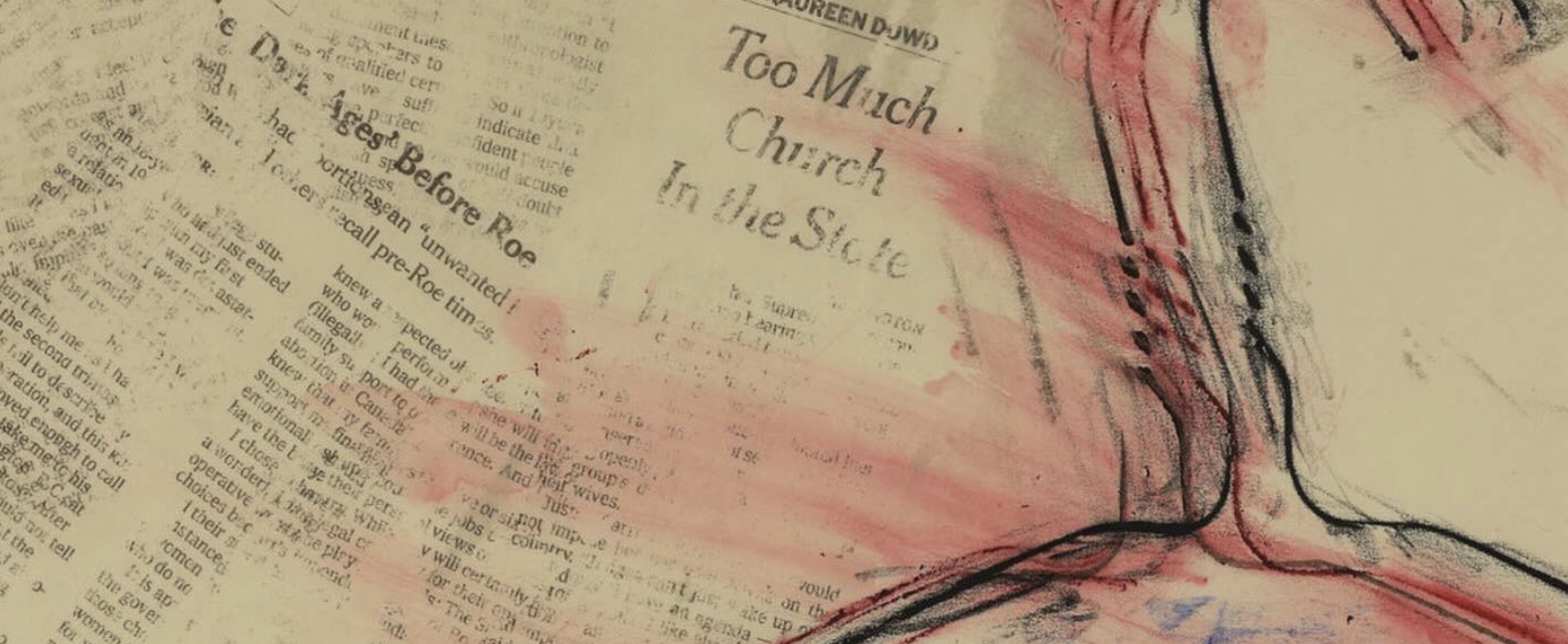
“My anger at the United States Supreme Court decision in Dobbs v. Jackson Women’s Health that eviscerated abortion rights triggered this work. I first animated a sequence of rubbings of a coat hanger, and then, through iterative processes of filming, further rubbings and incorporating images and text appropriated from the Sunday print edition of The New York Times, I developed more sequences. The film evolves from a series of formal experiments in movement to outright agit-prop against increasingly repressive forces in the US that violate women’s bodily autonomy and endanger their health. The soundtrack, composed by Peter Randlette, integrates sampled voices from the Dobbs v. Jackson Women’s Health arguments presented before the Supreme Court.”
Bread & Honey by Kyndra Lee (Seattle, WA)
Cole and Lux coexist in their own miniature state of existence while striving to become one. Fully embracing this goal, they decide to consume each other.This film was written and created to be, overall a love letter. The idea behind this film was to portray multiple essences of sublime moments in time while the world feels like it is tumbling around us, thus creating a tiny world with the person you love. They have poetic conversation on the outer chaos, existential-like dreams, and reading excerpts about what it would be like to be eaten and become a martyr through that act. The narrative of Bread and Honey is all metaphorical. What is it like to love the peace of being with someone so much that you want to live with them forever? Accompanied by an experimental score by Vanille Onyx (Kyndra Lee), Takeshita & Minus Two
Gab by Hogan Seidel (Seattle, WA)
This piece continues my exploration of nature alongside significant queer individuals in my life. Filmed across various forests, arboretums, and gardens in Seattle and Vancouver with artist and friend Gabby Follett, this film employs intricate visual layering, hand-processed film, and biofeedback sound to delve into themes of queer ecology. The work celebrates the beauty of non-hierarchical, non-binary, and non-human-centric ways of experiencing queerness in and as part of nature.
,,, so thee lilac never wilt alone ,,, by elijah jamal asani (Portland, OR)
under every garden, lies a ritual. within this ritual, a blaq flora grieves for their long lost flowers & a desire to create forever blooms.
created by elijah jamal asani & shot/edited by Jonathan Woods, “ ,,,so thee lilac never wilt alone ,,,” is a short film accompaniment to the experimental album “ephemerals’ forever(s)” by èbà.
Woman On A Rocket by Sierra Grove (Boulder, CO)
Through a turbulent transition, Woman finally embraces change. A nod to Maya Deren. An exploration of color, scale, and play.
Mechanical Eye by Deb Seitz (Portland, OR)
A representative piece about women’s beauty standards. Constructing oneself to the eye of media and the need to alter ourselves to fit into societal standards.
Oh Then Until by Willow Ferdig (Portland, OR)
…a short film that depicts a candid moment of the film maker becoming grounded in her own body through material connection, queer heritage, and a much needed bath. The audience is allowed into an otherwise private moment of bathing, exploration and relaxation where Hawk Ferdig is able to find the absurdity of queer materials, her own body, and historical context. This work is simultaneously a powerful means of portraying her own identity, as well as demonstrating the disassociative self objectification required to exist within her body on a day-to-day basis.
Shorts Block B

Tripsitters by Al Granstrom & Lucas Montgomery (Chimacum, WA)
When two drug-babysitters bicker on the job, their shroom-tripping client jumps off a balcony, and runs off into the woods, forcing them to go find him.
At Captain Daniel David’s on the Coast by Jeffrey Sundin (Portland, OR)
The Never Ending Passion Boys Crew present songs from their debut release.
Jeffrey Sundin (Portland, OR.)
The film was directed, shot, written, and edited by Jeffrey. The film stars Stephanie Leet, Paisley Combs, Alex McCain, Sarah Callsen, Nikki Cormaci, Stacy Luna, and Jacquelle Davis.
Images were captured on various iPhones, VHS camcorders, and 35mm SLRs.
Tony Conrad: Completely in the Present
(Tyler Hubby, US, 2016, 96 min, in English)
From performing in Jack Smith’s legendary Flaming Creatures to creating a series of groundbreaking experimental films to playing a pivotal role in the formation of The Velvet Underground, Tony Conrad: Completely in the Present, twenty-two years in the making, examines the pioneering life and work of artist, musician, and educator, Tony Conrad.
Ceremonial Abyss Plays Tony Conrad
Ceremonial Abyss Plays Tony Conrad presents a collaboration based around an unknown, found mixtape of Tony Conrad’s work. Transcending the fixed constraint of the medium, the cassette will be acting as a Present Source, (e.g. as an instrument in the room), by way of generative modular processing from the performer. The performer (Abyss) will be responding to the tape with additional live electronics as a secondary musician in an improvisational setting, letting the ghost of Tony Conrad completely lead the way.
Ceremonial Abyss (1987-) is an aleatoric tape artist, curator and writer based in the Pacific Northwest. He has toured the U.S. extensively in support of his releases 23, Betrayal, and Tape Study for Four Variants. Along the way, he has performed with musicians and authors such as Pete Swanson (Yellow Swans), Jennifer Soong, Zan da Perry, Vi Khi Nao, DIIV, and Will Alexander.
Tony Conrad (1940-2016) was a multidisciplinary artist known for his groundbreaking art, music, films, and videos, although his work doesn’t fit comfortably within any of these disciplines. He eschewed categorization and actively sought to challenge the constraints of media forms, their modes of production, and the relationships of power embedded within them. Conrad was an early member of the Theatre of Eternal Music, along with La Monte Young, John Cale, Angus Maclise, and Marian Zazeela.
The Flicker is a 1966 American experimental film by Tony Conrad. The film consists of only 5 different frames: a warning frame, two title frames, a black frame, and a white frame. It changes the rate at which it switches between black and white frames to produce stroboscopic effects.
Conrad spent several months designing the film before shooting it in a matter of days. He produced and distributed The Flicker with the help of Jonas Mekas. The film is now recognized as a key work of structural filmmaking.
*Warning - this film may cause epilepsy (though there has been no recorded instances of this occurring). Heavy strobing occurs and is not recommended for those who are prone to seizures.
Origins by Koya (Olympia, WA)
Shot in color 16mm, this project studies the non-linear odyssey of shadow tending through embodied movement. Scored by Arson, Cello by Greg Bortnichak @gregorybortnichak
Choreography by Sydney Blanchard
Featuring dancers from @m0ving.parts.dance
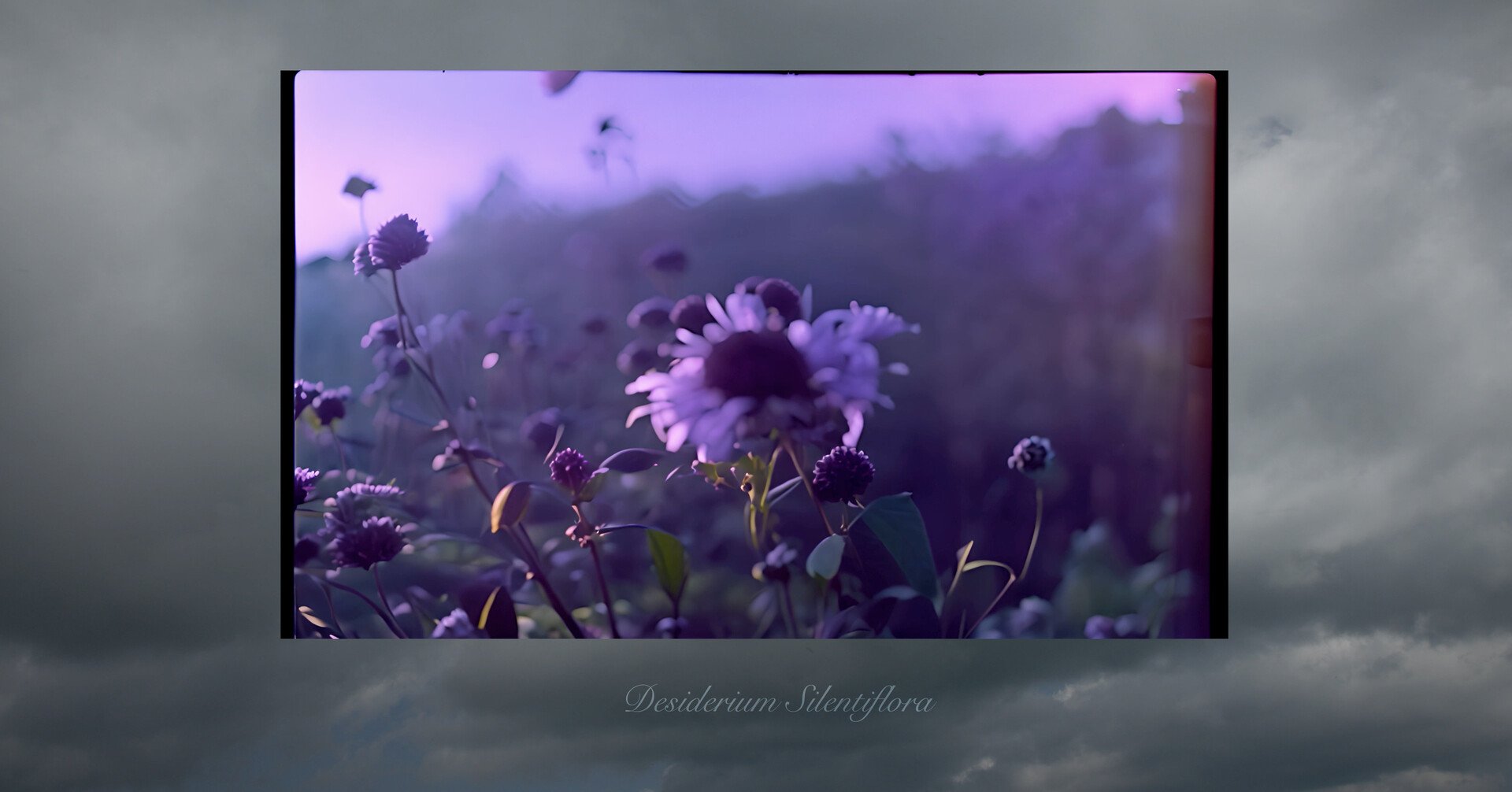
Wishfulweed by Laura Iancu (Romania)
A short film about the botanical lore of Wishfulweed🌱

Resting Place by Brittney Appleby (Vancouver, BC)
For those living with invisible illness, we often find ourselves repetitively, returning to rest. Resting place captures the filmmaker, returning to bed, reflecting on their experience, living with chronic illness. The work utilizes multiple exposures to illustrate the ritual of rest for many living with chronic illnesses, we buy our time waiting in bed. The bed offers a safe space. A space that is sacred – a place of recovery and rest. Although the bed can offer a place of healing, it simultaneously isolates us. The loneliness of being bedbound leaves us longing. The relief of return contrasted with hindrance to stay. The hours away fluctuate with each passing day, but my return is imminent. The ritual is inevitable.
Shot on 16mm film & hand processed. All exposures are done in camera.
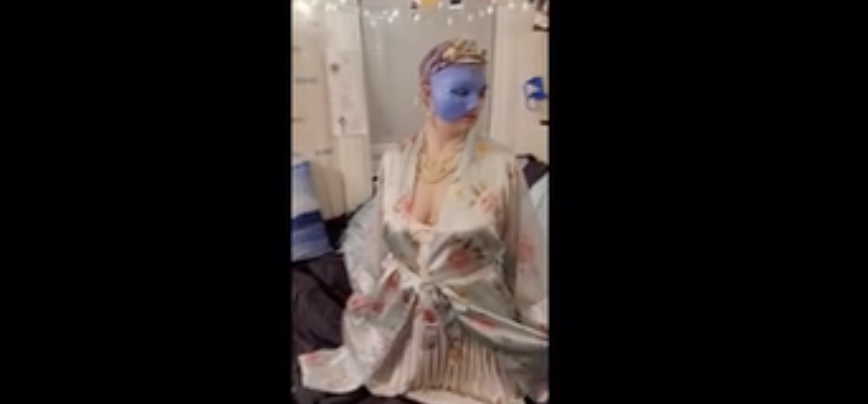
Siren’s Song by Blue Jaye Corvidae (Portland, OR)
The siren ponders the fish in the aquarium.
Like the fish existing in their tank as though it was the wild, existing in their tank as though they are existing how they would in the wild, the siren performs authenticity.
The siren performs intimacy like the fish looking out as we look in.
Do they see us? Do we see them? The fish perform naturalness as the siren does; in voyeuristic proximity the expectation of performance is apparent as the expectation of the natural to lack performativity is also apparent. The fish perform wildness as the siren does, perceived as uncaged yet sensing the weight of gaze. The siren sees themself within.
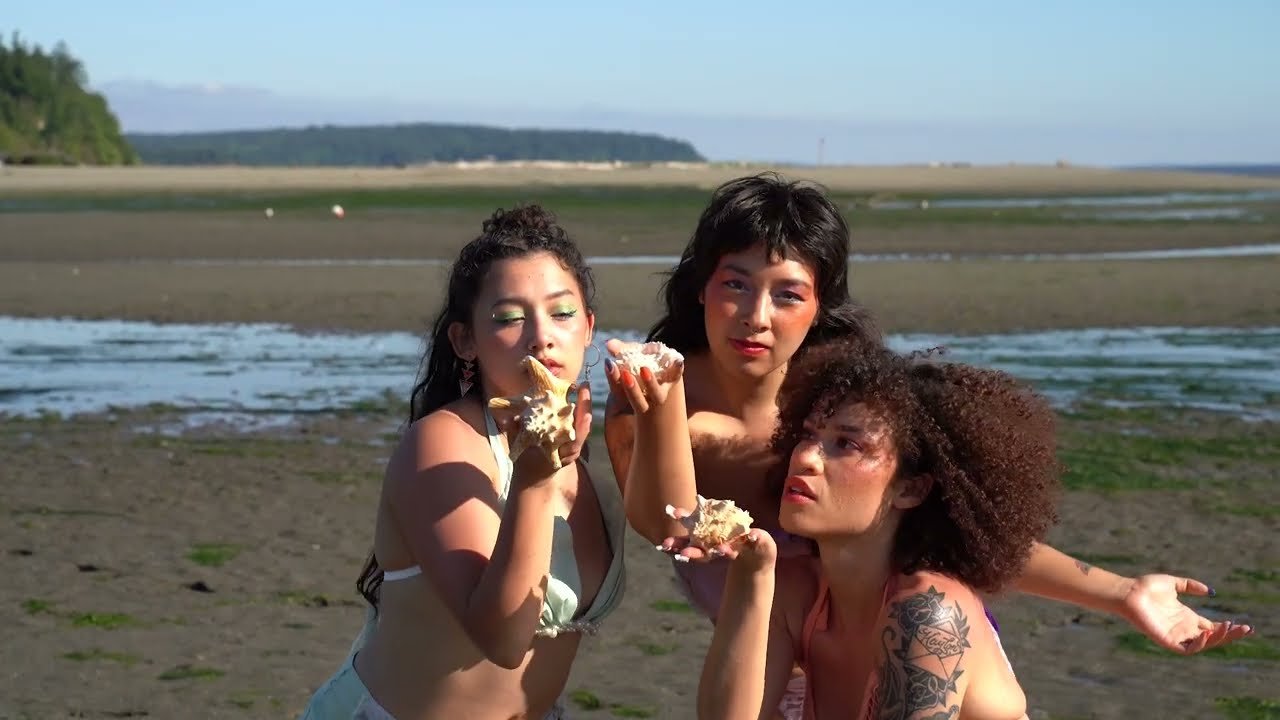
I was never the siren by Moonyeka (Portland, OR)
This film is the first installment of the overarching audio-visual performance work, Harana for the Aswang. Harana is a Filipinx serenade form rooted in courtship and grief rituals. The project reimagines and centralizes the narratives of Aswang—an umbrella term for various shapeshifting, mythological, animist, folkloric, “evil” spirits and creatures in Filipino folklore—through the lens of their queer and trans descendants. This excerpt in particular challenges and re-myths the Siren archetype, creating a polyphonic experience of voice, aspects of harana, poetic-intimacy, wrath, and states of kilig.
This film is in honor of the sacred transsexuality and queerness through all timelines, a place for us to be swooned. To be seen in the defiant (im)possibilities of love and all that died in order for it to exist.
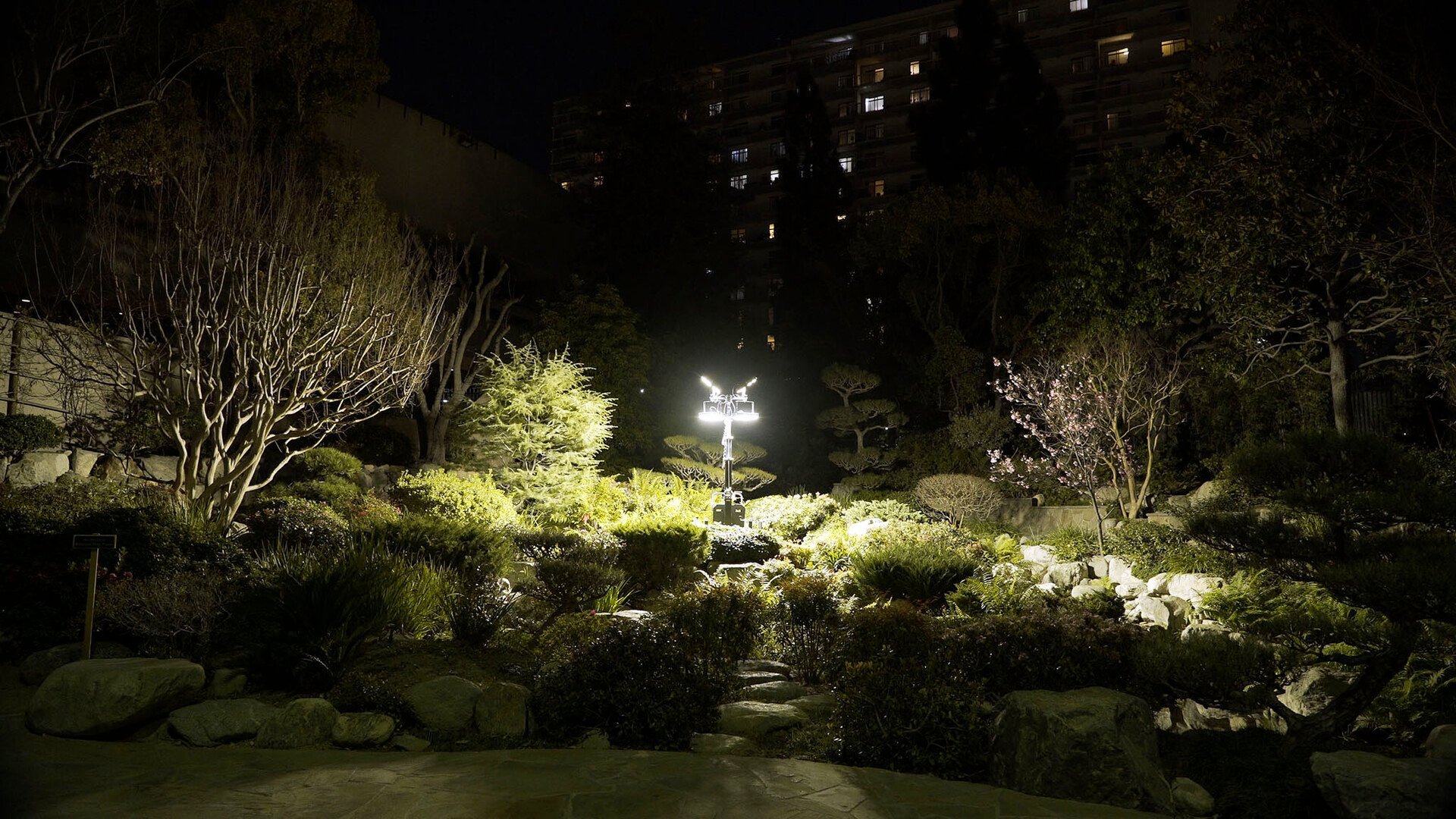
120,000 lumens by Scott Oshima (Seattle, WA)
At risk of erasure, Los Angeles’ Little Tokyo community fought to build a permanent home for its Japanese American arts and culture. The Center opened its doors in 1980. Four decades later, in the quiet of the pandemic, “120,000 lumens” observes the time and memory embodied by a building.
“Japanese Americans in Los Angeles survived a century of systemic racism, in part, by building a home in Little Tokyo. At risk of erasure by developers in the 1980s, the community fought to build the Japanese American Cultural & Community Center. I worked at the Center at a time when an entire generation of activists began passing away, and another wave of developers began displacing the Little Tokyo community. When the pandemic began, after 40 years, the Center went dark. Everything these spaces contained–our history, our art, our memories–was once again at risk of erasure.
In the quiet of the pandemic, “120,000 lumens” observes the time and memory of a Japanese American building without people or voices to share its history: an empty theatre, a 150-year old grapefruit tree, storage spaces, offices, recent and stark renovations, a garden, and a plaza. I search for traces of time passing and the people who shaped the space: dust, wear, piles of paper and books, scratches on the concrete floors, and the mark of many hands. Construction lights provide my only intervention and reveal a different scale of time at work: botanical and geological, decay and growth. The space, with enough light and time, begins to speak for the unseen Japanese Americans who built it, who organized and sang and danced within its walls, and who continue to shape our future. The film closes with the echoes of a performance.”
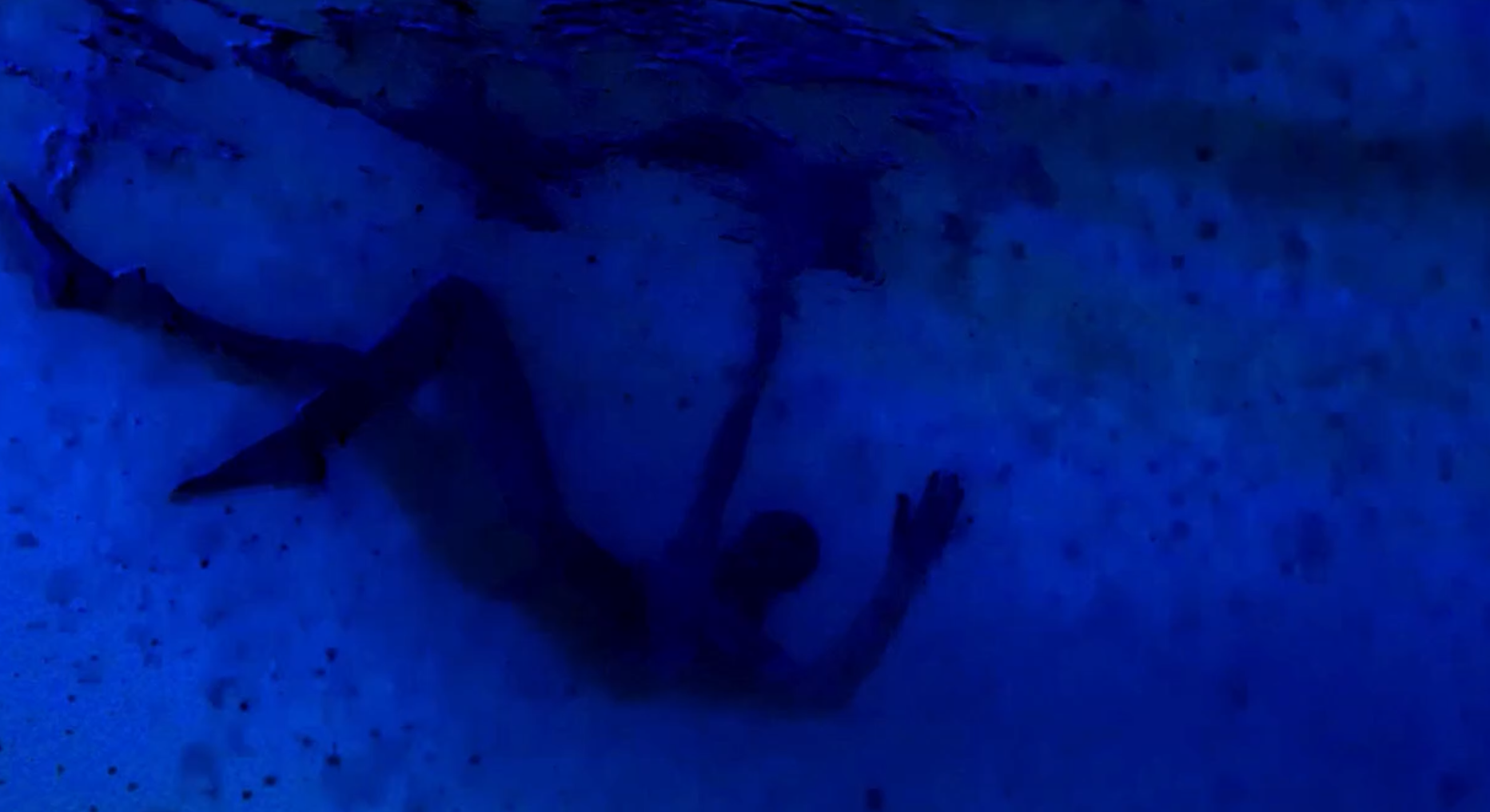
Heavy Water by Victor A. Martin (Seattle, WA)
A man attempts to escape the dark recesses of his mind after a revealing inward look at himself and his own self doubt.
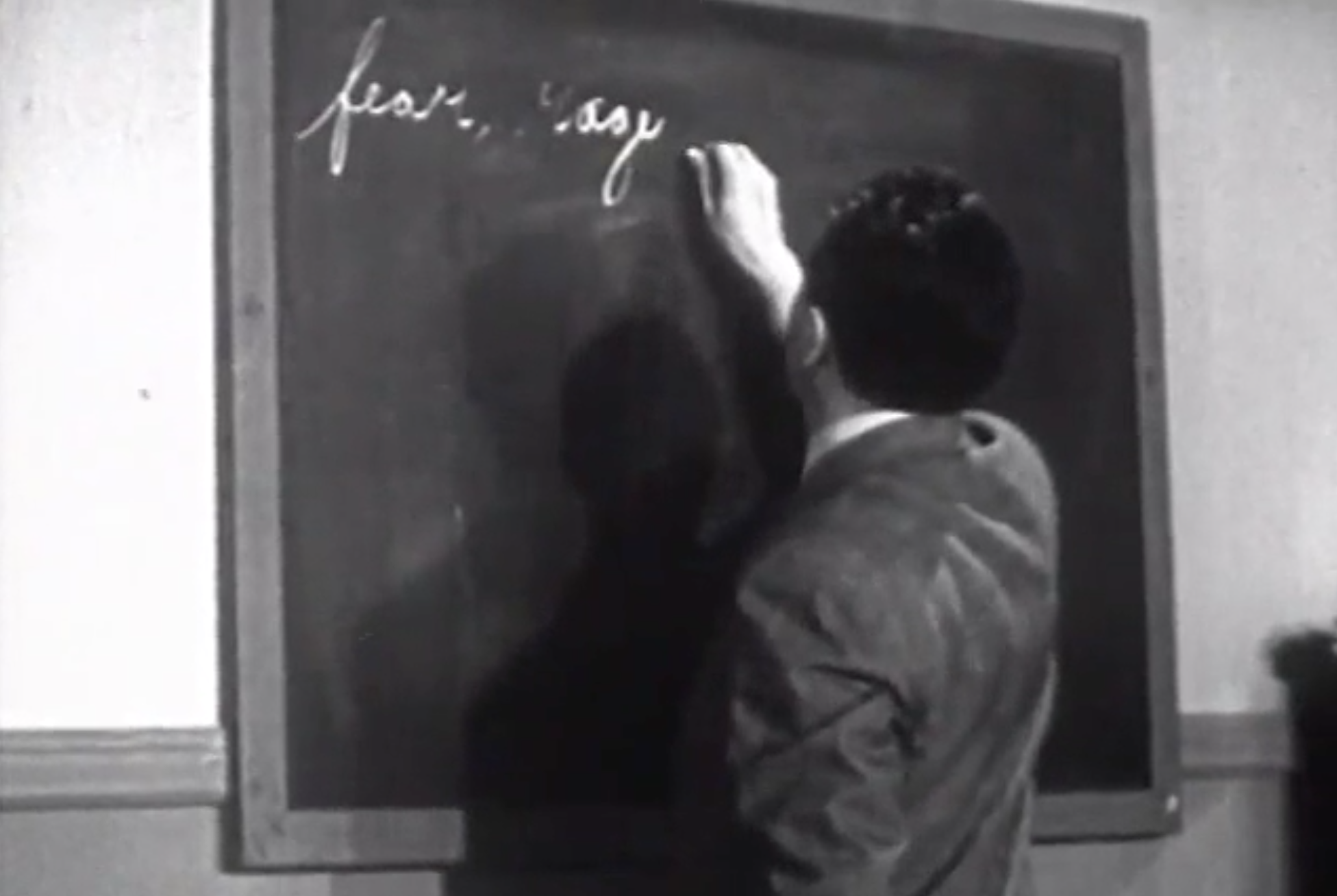
American Hypocrite! by Brittney Cash (Seattle, WA)
An exploration of our nation’s hypocritical beliefs on what we should fear, rage, and love. Entirely created from archival materials found in the Prelinger Archive.
Infinite Resignation and Wallowing in your Own Filth by Don Haugen (Eugene, OR)
“Infinite Resignation and Wallowing in your Own Filth” is a darkly satirical short film that explores the suffocating routines of modern life through a collage of public domain educational and advertising clips. These vintage segments are repurposed to reflect the absurdity of consumer culture and societal expectations, juxtaposed against the protagonist’s spiraling existential crisis. The film uses these clips as a surreal backdrop, amplifying the themes of detachment and sexuality, while shining a light on the hollow promises of a life dictated by commercialism and social conformity. “Infinite Resignation and Wallowing in Your Own Filth” is not a film that offers solutions—it thrives in the ambiguity of its own absurdity. It asks the viewer to sit with their discomfort, to contemplate their own cycles of emotional resignation, and to perhaps find a strange sort of beauty in the grotesque.
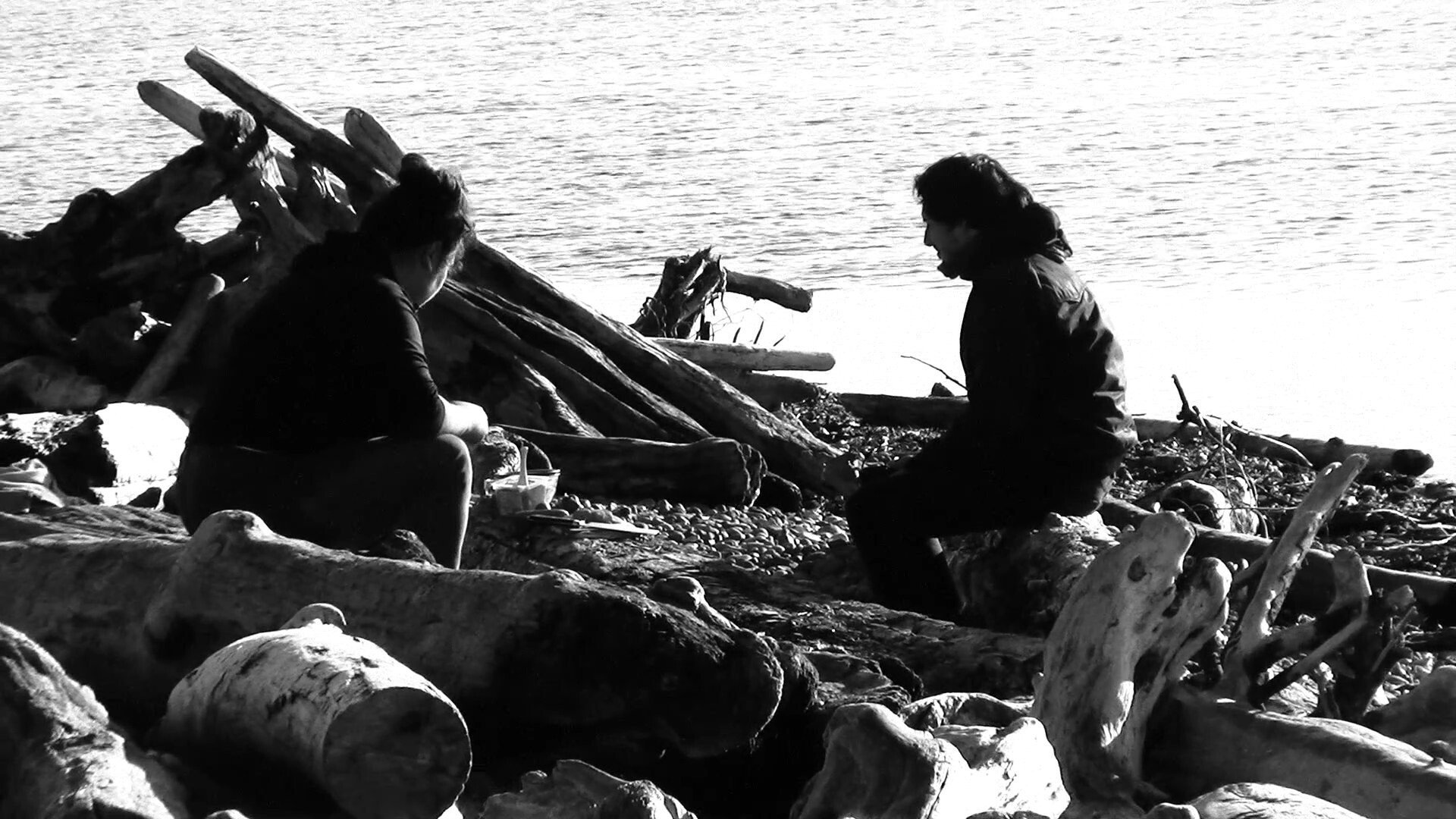
november at the beach by Eric Acosta (Seattle, WA)
Amy Hirayama creates fermented poems while Rodrigo Sanchez takes photos.
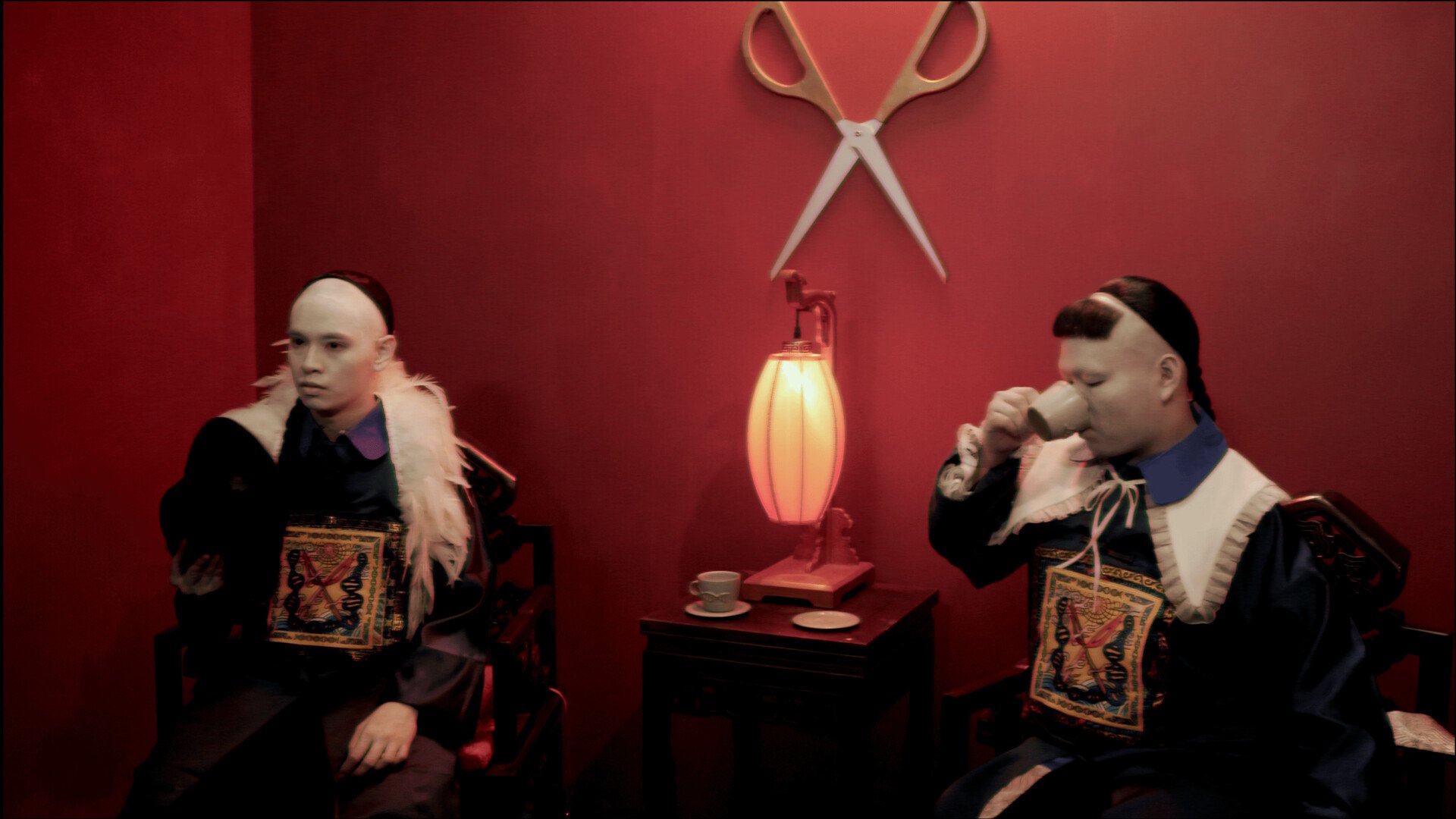
Divine Intervention by Wu Yun-Jieh (Taiwan)
Divine Intervention explores the journey of a woman tormented by the entanglement of her hair, seeking solace through a spiritual guide. Together, they employ a unique technique to enter her consciousness, aiming to uncover the root of her distress. The Yuan Shen Palace, also known as the House of the Mind, is depicted as a virtual world constructed by the brain. If it truly exists, it might function like a vast organic hard drive, recording the intricate details of one’s life. The films strives to rationalize magic and symbolize the process of spiritual healing.